
Introduction
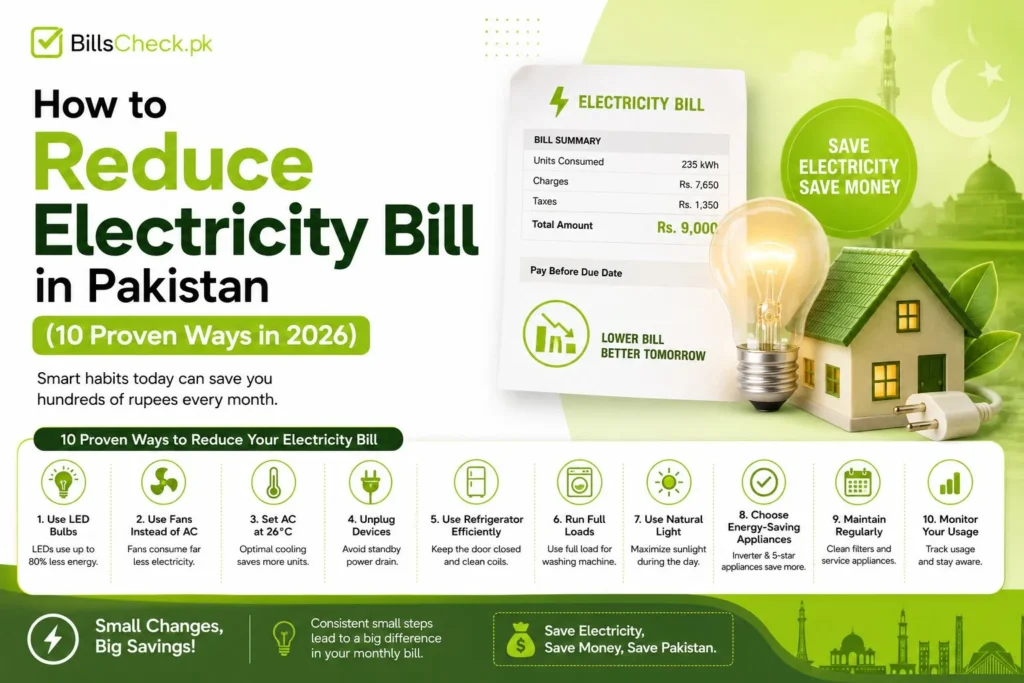
Saving electricity bills in the household does not always mean spending extra money on the equipment upgrade and replacement of all the household appliances. Often, just by changing everyday habits, one can decrease excessive electricity consumption without limiting the functionality of the appliance. Various types of lighting fixtures, refrigerators, air conditioners, fans, televisions, computers, washing machines, kitchen appliances and others may add to electricity consumption in households when used unsuitably or when they are operating idly.
One of the easiest methods to save electricity is to pay attention to the ways and times of its usage. It means turning off lights when leaving the room, unplugging unused but necessary appliances and avoiding using unnecessary power in the standby mode. Additionally, using the daylight instead of artificial lighting may be considered helpful in reducing the electricity consumption.
Moreover, heating and cooling appliances usually take a significant place in electricity bills. Therefore, using air conditioners and fans wisely, maintaining doors and windows in appropriate condition, cleaning filters and setting reasonable temperatures may help. The same concerns refrigerators which should be well-maintained and opened only when it is necessary.
At the same time, it is important to use kitchen and laundry appliances correctly. For example, one may run washing machine and dishwasher with proper loads and using energy saving programs. Moreover, using unnecessary heating may be avoided. It is also important to maintain appliances regularly as dirt filters, clogged vents, torn seals and poorly maintained equipment might consume more electricity than a good working unit.
The present guide will describe the most effective methods of reducing electricity bills at home without making everyday life extremely complicated.
Identify High-Energy Appliances
It is important to identify which appliances consume the most electricity as the first step to save electricity. All appliances do not use equal amounts of electricity, and some of them can impact electricity bills more than others. High energy consuming appliances usually are large appliances that produce heat and/or cooling. Such appliances usually use considerable amounts of electricity.
High energy consuming appliances can be air conditioners, electric heaters, water heaters, ovens, clothes dryers, refrigerators, freezers, and some washing machines. Actual energy use varies depending on an appliance’s power ratings, efficiency, age, condition, and frequency of operation. An appliance that works several hours a day will use more electricity over time than another one that consumes more electricity but is operated very rarely.
Check the information label or manufacturer documentation to find out the power consumption of each appliance. If there is an energy-use rating, look at it when comparing models. There are also special electricity monitors that can be used to check energy consumption of some plug-in appliances.
Take care to notice appliances that operate constantly and without any necessity. For instance, air conditioners consume considerable amounts of electricity if they operate for long time, and so do electric heaters. However, refrigerators have to operate frequently in order to keep foods cool. Therefore, the aim should be maintaining the refrigerator efficiently, not shutting it down.
Old and malfunctioning appliances might also consume more electricity than required. Malfunctions, dirty filters, ventilation blockage, broken seals and other factors can increase energy use by an appliance. Thus, regular maintenance and cleaning can increase efficiency.
After finding the highest electricity consuming appliances, try to concentrate your efforts on reducing their energy use. Do not use them unless necessary, set efficient modes, maintain them properly and consider replacing inefficient appliances when it is possible.
It will be easier to reduce electricity use if you know where exactly it is consumed. Rather than reducing electricity use everywhere evenly, it is better to focus on reducing consumption of the appliances that use the largest amounts of electricity.
LED Lighting
Lighting contributes to the electricity used at home especially when there are numerous lights which are on for several hours every day. Changing from incandescent lights to LED lights can help save electricity at home. Most times LED bulbs use less electricity compared to the other bulbs and can provide the same level of brightness with less power consumed.
When buying LED bulbs, it is wise to pick up bulbs which have sufficient brightness and the right fitting for your lights. Some information like power consumption and brightness of the LED bulbs can be found on their packaging. It is not advisable to buy bulbs which are more powerful than what you actually require.
LED bulbs can be bought in different types of color temperatures. As a result, homeowners can pick up bulbs which match the room where the light will be installed. For instance, one can get warmer lights for bedrooms and living rooms. On the other hand, brighter or cool lights can be picked up for kitchen and offices. As a result, homeowners can get comfortable lights without consuming more electricity.
It is wise to develop good habits regarding lighting in order to save electricity. Lights should be switched off whenever one leaves the room. Also, it is good to make use of natural light during the day by opening curtains in the morning.
Motion sensors and timers can be helpful especially in places such as halls, backyard, garage and storerooms where lights are turned on unintentionally by people. Light bulbs and fixtures should be kept relatively clean since dust reduces the amount of light received in the room. If a bulb gets faulty, one can replace it in a safe way following the manufacturer’s guidelines.
LED bulbs can be useful if several bulbs are used at home. One can change the frequently used incandescent bulbs to suitable LED bulbs in order to save electricity consumed by lighting.
Use of efficient LED bulbs and good habits like turning off unnecessary lights and making use of natural light during the day can help one save electricity.
Air Conditioning
Air conditioning is one of the most significant sources of electricity use in the house, especially when the weather outside is hot. In this regard, the efficient use of the air conditioner can help reduce energy losses and maintain a comfortable temperature indoors. Some simple steps and changes in the approach to this device may result in significant energy savings.
Do not set the air conditioner to a very low temperature as this is unnecessary. Instead, choose a comfortable and reasonable temperature in order not to put additional pressure on the equipment. In case your air conditioner has energy-saving mode, you may want to use it when possible.
Proper maintenance is also a very important aspect when it comes to efficient cooling. In this regard, it is necessary to clean or replace air filters from time to time as recommended by the manufacturer, since the dirty filters restrict the airflow in the system and make it work more intensively. Do not let any leaves, dust, furniture, and other objects get into the space between the outdoor unit and the rest of the world.
In order to prevent heat from coming into the room, close all the curtains or blinds in the daytime and avoid opening windows and doors while the air conditioner works. It may also be reasonable to seal the places where the cooled air can escape from the house – doors and windows.
It is advisable to use a fan when possible since this will create better air circulation in the room and increase the feeling of comfort. However, a fan does not cool the air in the room. Therefore, it should be turned off when there is no need to use it in the room.
Do not use the air conditioner in empty rooms as long as possible. In case your air conditioner has timer or some other scheduling option, it will be helpful. When doing some maintenance, do not forget to follow the manufacturer’s instructions and to turn off the appliance when necessary.
If your air conditioner has problems with cooling the room, makes strange sounds, leaks something or uses much more electricity than it usually does, you may need to inspect it. Proper maintenance and installation of a correct size air conditioner can increase its efficiency.
Refrigerator
A refrigerator works on a permanent basis, which is why a proper use of such an appliance may help to decrease household energy usage. However, although one should not switch it off to maintain the required level of refrigeration, several tips may help to save the consumed energy.
Adjust the temperature settings according to the manufacturer’s recommendations for both the refrigerator and the freezer. Do not set the temperature unnecessarily low since this will lead to the unnecessary increase in the amount of electricity consumed. Ensure the refrigerator stays relatively organized so that the search for certain items takes you less time and does not require to keep the door opened for too long.
Inspect the seals on the door of the appliance to ensure their proper functioning. Broken or loose seals can lead to the leakage of cold air and, therefore, to increased efforts needed to cool the fridge. The seals should be cleaned properly and replaced when required according to the manufacturer’s instructions.
Do not place the hot food in the fridge right after cooking. Instead, let it cool in accordance with safe food handling rules. Avoid overfilling the fridge since blocked air vents will prevent the proper circulation inside the appliance. Nevertheless, stocking the appliance to some extent will help to maintain the right temperature.
Place the fridge far from windows and sources of heat, such as an oven, stove, or any other appliances. Leave enough space around the fridge to ensure proper ventilation of the appliance according to the manufacturer’s recommendations. In addition, if the fridge requires regular cleaning of the coils or other elements of the cooling system, do it accordingly.
Try to think about what you need before you open the door of the fridge. Opening the door frequently and leaving it open for too long will lead to the entry of warm air into the fridge and to extra usage of the energy.
Standby Power
This is the electricity that is consumed by appliances that are turned off but plugged into the electrical source. Even though the amount of energy used by one appliance when switched off is negligible, the amount used by all the household appliances at once can significantly increase. In order to save some money, it would be wise to minimize the standby power.
The main devices that use the electricity while turned off include televisions, computers, gaming consoles, chargers, microwave ovens with digital clocks, coffee machines, and other devices that have screens, remote control, timer, network connection, etc. Some of the newest appliances are using some electricity when turned off, even though we cannot see it.
There are quite a few methods to minimize the standby power of household appliances. The first and most effective way to do this would be to turn off the appliances when you don’t need them. If an appliance is small enough, just unplug it from the socket when it is not needed.
Another solution is to use a power strip and connect several devices to it. Then when we are done using it, we can turn them all off at once with this plug. It would be wrong to unplug a device that should work constantly, such as a refrigerator or a freezer.
We can also use a smart plug or timer to manage certain devices automatically. Before we decide to do so, we should read the guidelines for this specific appliance to make sure that turning it off will not influence its normal work and safety.
We need to pay extra attention to chargers and small electronic devices. Even though they might use some electricity, we still need to unplug those when we do not need to charge our smartphones or any other gadgets. This is an easy method of saving some money.
Make yourself a habit of checking suitable appliances before sleeping or leaving home. Turn off those devices that you do not need and disconnect those devices that can be unplugged. Remember to unplug only suitable devices to prevent their damaging.
Smart Usage Habits
Some effective smart usage habits will lead to a decrease in the electricity consumption in households significantly without costly modifications. It is important to operate appliances properly – use them only when it is necessary, pick up proper settings and do not leave appliances working when there is no need for this. Smart habits practiced every day can help to avoid electricity waste and pay less for electricity.
The first habit which helps to cut down the electricity bill significantly is the turn-off of the lights, fans, TV sets, computers and other appliances when leaving a room. One can take advantage of the natural light whenever possible – do not switch on lights in daytime. In case the appliance has timer, sleep mode or other options which help to economize electricity, use it when it is appropriate for you.
Use appliances wisely and not for small purposes. Try not to wash clothes when the suitable load is gathered. Do not open the refrigerator too often and cook several meals at once using oven. Microwave can be more economical than warming up large oven in case you cook small portions of meals.
Cooking also can have an effect on the electricity consumption. It is better to use the appliance with the appropriate size of a pot or a pan, put a lid on the container where it is suitable and pick up the appropriate cooking method depending on the quantity of the food.
It is necessary to use the air conditioner and heater carefully as these two appliances can consume electricity largely. It is necessary to close all the doors and windows which can be left open while cooling or heating, clean filters and set reasonable temperatures. Fans also can be helpful in such cases.
Another wise habit is regular maintenance of the equipment. Cleaning filters, vents, and other parts of appliances and replacing broken parts will help the appliances to work properly and avoid the unnecessary electricity consumption.
The last habit is checking the house before going to bed and after coming home. One needs to turn off the suitable appliances and unplug those appliances which can consume electricity without any need.
Here’s another article you may find useful:
8 Energy-Saving Tips for Kitchen Appliances
Home Energy Efficiency: 7 Easy Ways to Save Energy
Electrical Safety: 7 Common Mistakes to Avoid at Home
10 Comfortable Home Ideas for a More Relaxing Space
How to Make Your Refrigerator More Efficient: 7 Easy Tips
Conclusion
Saving electricity at home can be achieved without spending large sums of money and making major alterations in your home. It can just come down to the efficient use of the existing electricity by making necessary modifications in your lifestyle.
For instance, you should know what type of your home’s equipment needs large electricity and use it only when necessary. This refers especially to air conditioners, heaters, fridges, ovens and any other home equipment you have in your house that is often used. You can replace old bulbs with modern LED ones which will consume less electricity but will be bright enough.
When talking about air conditioning you should use it properly because it can take a lot of electricity. It would be better to set reasonable temperature, clean the filters of the air conditioner, make good ventilation and decrease the heat from outside.
It is necessary to use fridge in a proper way, keep it at the right temperature and open the door only when it is necessary.
Another aspect related to the electricity usage at home is standby power. You should switch off or disconnect from the power those devices which do not require continuous power supply and those which should work all the time should stay plugged in.
The efficient use of your home equipment would mean that you wash clothes in washing machine and dishes in dishwasher when it is really necessary, you should use daylight as much as you can, turn off lights and other home equipment.
In conclusion, saving electricity at home would mean the implementation of efficient home equipment use, home equipment maintenance, LED lights installation, sensible air conditioning and the use of good habits in everyday life.



Pingback: How to Make Your Refrigerator More Efficient: 7 Easy Tips