
Introduction
Another great and very affordable way to create a fresh and cozy atmosphere in your house is to use indoor plants. Such plants can easily decorate any room making it look colorful and lively. But picking the right plant can be a challenge for the beginner who is not aware of the watering process, lighting and other aspects of indoor plant maintenance. But there are plenty of indoor plants that do not require special maintenance and are very simple to keep.
When selecting indoor plants for beginners, the following aspect has to be considered: the majority of beginner-friendly plants can endure neglecting watering periods and various conditions of being inside the apartment. Different types of plants love either bright or diffused light. Therefore, it is necessary to estimate how much natural light you get in your place of living. The window facing sun may be perfect for one plant, but the dark hallway or bedroom requires something else.
The other important moment in the indoor plant maintenance is watering. Excessive watering of the plant can be more dangerous than under watering. It is necessary to estimate the moisture level of the soil before watering and make sure that your container for plants has proper drainage system. Each plant has its own requirements concerning watering period.
As you can see, indoor plants vary greatly and are available in different shapes and sizes. There are plants that grow vertically, and there are ones that spread or hang from shelves.
In this article, we will tell about the best indoor plants for beginner gardeners. Such plants do not need complicated maintenance but will perfectly suit for decorating the apartment and adding some touch of nature.
Easy-Care Plants
In the case of indoor gardening for beginners, the success of it lies completely in choosing sturdy types of plants that tend to flourish with little maintenance. People commonly believe that all types of plants require constant caring and watering but there are some really amazing varieties that are unbelievably resistant to many typical conditions indoors such as poor lighting, dry atmosphere, and uneven watering schedule. In particular, it refers to the Snake Plant (Sansevieria) and the ZZ Plant (Zamioculcas zamiifolia) that are famous for their sturdiness because they have great water storage capacity in their leaves and rhizomes, which lets them withstand prolonged periods without any watering at all. It is also worth mentioning that the Pothos (Epipremnum aureum) that is an amazing type of fast-growing climbing vine that sends a signal about being thirsty by wilting, which disappears immediately after being watered thoroughly. In case one is looking for something that is a really cool architectural plant, it means the Cast Iron Plant (Aspidistra elatior), which lives up to its name in that it survives in dark places and with varying indoor temperature, where other plants are not able to survive. Thus, those really resistant varieties are a perfect choice for newbies as they allow learning how to water them properly without any consequences.
Easy-care plants can be ideal for novices, as they allow the individuals to observe the beauty of living organisms in their houses without spending too much time on care. Certain indoor plants are particularly very easy to maintain and tolerate changes in the conditions, and their care requires a minimum of effort. Getting the right low maintenance plant is key to ensuring that you enjoy the experience and become confident enough to move on to more challenging species.
First, it is essential to pick the right location in one’s house where the plant will be able to thrive. One of the most critical factors in growing plants indoors is light, and some plants need it more than others. As a rule of thumb, one should note how much sunlight the room to which the potted plant will be brought receives on a regular basis. Most easy-care plants require only several hours of indirect sunlight per day, and some rarely need more than several hours of direct exposure. It is vital to avoid exposing the leaves to harsh sunlight if the care instructions suggest otherwise.
Furthermore, watering is one of the primary tasks that beginners might get wrong. Watering too often may lead to the roots rotting, and it is essential to ensure that the top layer of soil has had the chance to dry slightly before one waters the plant again. The pots should also have proper drainage holes at the bottom to ensure that extra water can exit the soil and prevent root rotting. The individual tending to their plant should remove any dead or yellow leaves and dust the leaves if necessary. Additionally, it is essential to keep away from plants from direct sunlight, cold drafts, and other severe weather conditions, where possible. Observing the plant will allow checking if it is getting too much or too little water or sunlight.
With the right conditions, most easy-care plants will flourish, allowing one to learn all about plant care. Snake plants, pothos, spider plants, and ZZ plants, among others, are all easy to care for, but their requirements may vary drastically depending on the species, season, the size of the pot, and the conditions of one’s home. To sum up, novice plant owners should consider the location, watering frequency, and conditions that are critical to growing easy-care plants.
Low-Light Plants
Low-light houseplants could be a good choice for those who live in poorly lit houses. There are many rooms in people’s homes where not much sunshine comes. Bedrooms, hallways, bathrooms, and offices may all be such places, but that doesn’t mean they should not be greened up. The selection of the plants which can cope with less sunshine will allow beginner growers to have indoor plants even with poor lighting at home.
However, before you decide on the purchase of a low-light plant, one should realize that low light does not necessarily mean darkness. Most of the plants need at least some kind of lighting either natural or artificial. Indirect daylight would be preferable rather than complete darkness in the room where the plant grows. Otherwise, the plant is likely to grow very slowly or become pale and weak-leaved if it is located away from the windows.
Snake and ZZ plants are widely used by the beginners as they are tolerant of quite low light levels and usually don’t require too frequent watering. Pothos is another low-light friendly and adaptable plant that can grow in moderate to low light but might look differently depending on lighting conditions. Spider plants could also serve well in the right lighting conditions of the indoor area.
It is also necessary to water carefully the low-light plants as they may need much less water than other plants grown under better conditions. One always needs to monitor the state of the soil before watering and consider the plant’s special care instructions. It is also important to ensure the right drainage in order to prevent excess water from staying in the soil.
One should also control the leaves and growth of the plant regularly. Pale or yellow leaves, excessive leaf dropping or weak growth can show that something should be changed regarding the plant’s environment. It is better to relocate the plant closer to indirect light if it is possible.
Thus, with the appropriate plant choice and proper care, a beginner grower can make even the low light rooms brighter and more interesting.
Plants for Bedrooms
One of the most perfect ways to create a wellness space in your room is to introduce the plants into your interior design to promote better sleep and relaxation. As your bedroom is a place for sleep and rest, you need to choose some suitable plants that will improve your sleeping conditions and do not require any high-maintenance routine that might increase your stress levels. One of the absolutely best options for a bedroom would be the Snake Plant because it produces oxygen all night, contrary to most other plants that start emitting carbon dioxide. The next great plant to have in your bedroom is the Aloe Vera because, besides the fact that it purifies the air from household pollutants, it also has fleshy leaves with a soothing gel that can be used for minor injuries. A plant like the Peace Lily is perfect for nightstands because it increases the humidity in the bedroom, which will reduce any throat discomfort or sinus irritation caused by low humidity in the cold seasons. A trailing plant like the Pothos can be perfectly hanged over your wardrobe or any high shelf as a curtain of greenery. By decorating your bedroom with these plants, you will be able to easily reduce your anxiety and enjoy good rest at night.
Adding some plants to a bedroom creates a more natural, calming, and appealing space. Plants can provide color and life to a plain room, bringing the feeling of comfort and peace. For novices, it is better to pick plants that correspond with the existing conditions of the room such as lighting, temperature, and the amount of space available. Picking a plant just because it looks appealing is not the best idea.
Snake plants, pothos, spider plants, and ZZ plants are quite common indoor plants since they are rather undemanding. However, all plants are different in terms of their requirements. Before planting a particular species in your bedroom, it is important to make sure about its special needs. If the lighting in your room is bright and indirect, there will be many options to choose from. In case your bedroom has poor lighting, it is important to select the varieties that can grow in low-lighting conditions.
It is also essential to think of the plant’s size and space in your bedroom. A small plant will feel comfortable on the table, shelf, or desk, while a large one can be placed in an empty corner of the bedroom. If there is not enough space on the floor, hanging plants can be used. It is better to avoid placing the plants where it is likely for them to be knocked down by passers-by or at the edge of furniture.
Watering is a very crucial process in caring for plants. A beginner should never follow a certain watering scheme without checking the soil. Most indoor plants need to let the soil dry to a proper point between watering. Drainage holes in the pots are required to allow excess water to drain off.
Moreover, it is important to keep the bedroom clean in order to remove fallen leaves, wipe dusty leaves if it is needed and control the plant’s condition regularly.
Provided that there is suitable lighting, proper watering, and correct placement, plants in the bedroom will become a nice decor element. Selecting easy-to-maintain varieties will be helpful for beginners.
Plants for Small Spaces
Small houses and apartments can also have greenery with appropriate indoor plants. It is not necessary to abandon plant decorations due to limited space; one should only select small varieties and use innovative ways of planting them.
Small plants suit desks, shelves, windowsills, bedside tables, and kitchen countertops. Small plants such as spider, pothos, succulents, and some kinds of snake plants can also fit when their watering and illumination requirements are compatible with location specifics. Always keep in mind the specific conditions required by your selected plants.
Vertical presentation is another good idea when it comes to placing plants in a small apartment. Hanging planters can help to save the floor space by placing plants away from the floor, while the wall-mounted shelf can become a home for several small potted plants. Plant stands that take little floor space can also fit, and window spaces may prove helpful with adequate light supply for plants.
One should be careful with the selection of containers for plants. The oversized potting can take an unnecessary amount of floor space, while the lack of drainage holes in the container allows extra water to stay near plant roots. Lighter containers are also more convenient to move.
It is also important not to overfill one area with plants. In most cases, a few carefully selected plants can look better than the overcrowded collection. One should also leave some free space around the plant.
By selecting the appropriate plants, using vertical planting, hanging containers, and creative places to place plants, it becomes possible to add greenery to small apartments without wasting valuable living space.
Watering Tips
Watering is one of the most vital tasks in maintaining the health of indoor plants for beginners. However, many of those who have only recently become plant enthusiasts believe that the more water is used, the faster the plants will grow. Excessive watering can lead to severe health complications of the plants. It is crucial to understand that watering requirements of various species differ, and one cannot use the same watering plan for all kinds of plants.
Before watering, the state of the soil should be checked. When the soil remains properly moist, no watering is needed yet. When the surface of the soil is dry and watering is required by care requirements of the particular plant, water it enough to make the soil wet. One should not water plants just because today is Monday and not consider the factors like the temperature, humidity, and the season indoors as well as the size of the pot and amount of light.
Good drainage is equally important. It is essential to choose the pots with drainage holes to allow the water to drain freely. If there is a decorative cover for the pot, do not forget to remove the collected water after watering, if necessary. Accumulated water can cause troubles with roots and, therefore, should be avoided as much as possible.
There are some plants which require more water during the growth period, while other species need less water when it is cold or dark outside. Cacti and succulents and species which store the water in leaves require less frequent watering than tropical houseplants usually do.
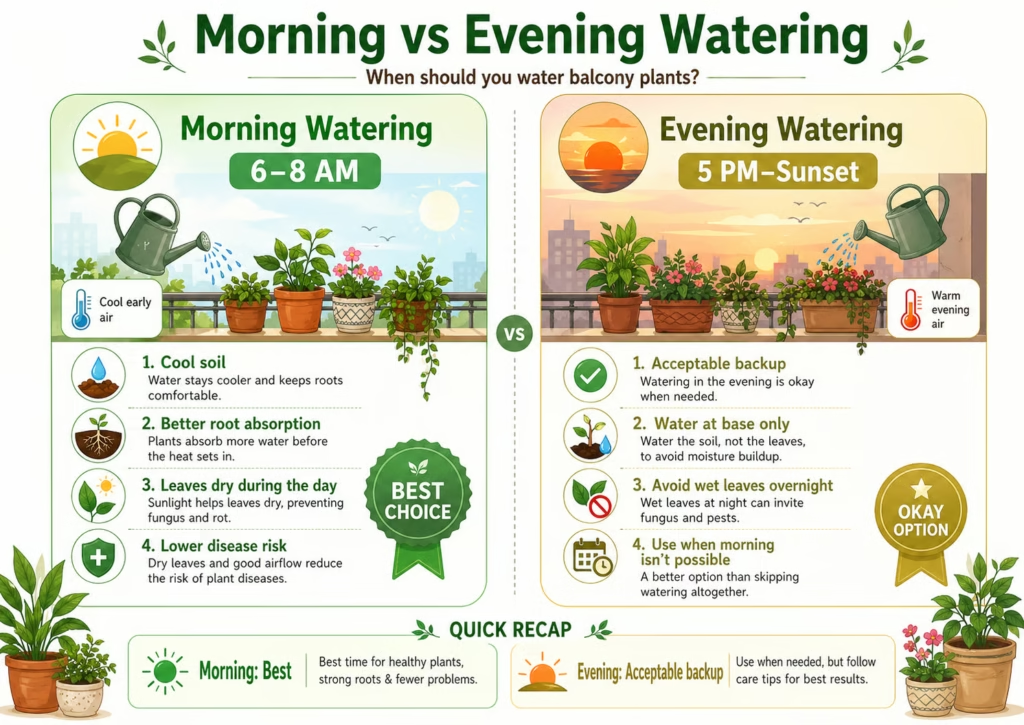
Clean water should be used and the leaves should stay dry as much as possible to avoid unnecessary moisture problems. The plants should be watched for any symptoms of the problems, like extremely soft or dry leaves and yellow spots on leaves.
The perfect way to water the plants is to adapt the regime to a particular plant and its environment.
Don’t miss this related post:
9 Easy Vegetables to Grow at Home
Small Room: 7 Amazing Ways to Make It Look Bigger
How to Keep Plants Healthy Naturally: 9 Proven Tips
Save Water at Home: 7 Easy Ways to Reduce Water Waste
Plants: How Often Should You Water Indoor Plants? 9 Proven Tips
Conclusion
Starting your indoor gardening adventure does not have to be an intimidating process based on trial and error. In case you opt for hardy, adaptable plants that have a natural ability to survive even in low light, small spaces, and occasional watering mistakes, gaining confidence is an easy task, and your indoor jungle will soon flourish. It is important to understand that houseplant cultivation is not only fun but an interesting learning process, during which learning to water the plants using the finger test is enough to keep your plant babies alive for years. Your indoor greenery is much more than just decoration because these plants not only enhance the interior but also improve the air quality in your rooms, reducing your stress and transforming your living space into an oxygenated sanctuary. No matter if you decorate a large living room or a small bedroom nightstand, there is a suitable low maintenance plant out there that will suit your needs. Using some patience and practical advice provided in this article, you will be able to create a flourishing indoor garden.
Indoor plants represent one of the easiest ways to make the interior look more beautiful. You do not have to be a professional gardener or have much space to have healthy and lovely greenery at home. Selecting plants that are easy to keep and being aware of their basic needs will help you to create an indoor environment that will be comfortable for you and your plants.
It is beneficial to select easy-care plants because they are rather tolerant and easy to maintain. Low-light plants will be perfect for rooms where there is little light because they can tolerate indirect light or moderate conditions. However, it should be kept in mind that the majority of indoor plants need appropriate light conditions to grow normally.
Moreover, it is possible to choose indoor plants for bedrooms. Small plants can be located on shelves, tables, and windowsills. Hanging planters can be used for placing plants in the case of the lack of floor space in your room. In the case of small apartments, it is possible to use compact plants and vertical growing plants.
The other essential element of successful growing of indoor plants is watering. It is necessary to avoid watering by following some strict schedule without checking the soil moisture level. The requirements to watering of plants can differ; moreover, the factors like light, temperature, season, and pot size can influence the speed of soil drying. It is important to ensure that plants have appropriate drainage.
Thus, it is crucial to find out which indoor plants can be chosen for your house and lifestyle. The first step will be to try to keep some easy-care plants in proper places and see how they behave.
No matter what size your house or apartment is, appropriate indoor plants will decorate it and give you an opportunity to spend time in nature.



Pingback: Interior: 5 Simple Ways to Improve Your Home - hometipsy.com
Pingback: 10 Comfortable Home Ideas for a More Relaxing Space - hometipsy.com