
Introduction
Watering is one of the key aspects of taking care of indoor plants, but at the same time, it can sometimes confuse even experienced growers due to its uncertainty. In fact, there are no watering schedules which can suit every kind of indoor plants since different plants require different amounts of moisture. However, many factors such as the type of the plant, size of the pot, soil, temperature, humidity level, and light condition might influence the rate of drying of the soil.
Mostly, indoor plants suffer from being watered too much rather than not enough. The constant watering of the plant results in moist soil and problems with root development. On the contrary, leaving the soil too dry may lead to wilting of leaves and stress of the whole plant. That is why it is much more useful to learn when the plant really requires watering rather than just adhering to the rigid schedule once a week.
There is a simple way to find out whether it is necessary to water the plant or not by just sticking a finger into the soil. Depending on the type of plant, one needs to wait until the upper layer of the soil dries. For example, those plants which require less moisture such as succulents need less watering in comparison with some tropical houseplants.
Moreover, the season might matter since indoor plants require faster watering during warm and bright months compared with those when it is cold or dark outside. Besides that, adequate drainage should be provided since extra water should escape from the pot.
In this article, we are going to tell about how to know when your indoor plants need watering and what watering tips should be considered.
Signs Plants Need Water
The only thing you can do is to understand how to read the visual language of your plants so that you know what signals they give in case of dehydration. Your plant will always send you the signal that its roots lack water long before it starts dying. The first and probably the most obvious symptom of an underwatered plant is the drooping of leaves, as this is a result of reduced water pressure in the stems and leaves of a plant. The second thing you need to do is check how healthy is the texture and color of the foliage: the leaves lacking water are usually dull, crispy and not shiny any more. Moreover, in case of further dehydration, the tips of the leaves start turning into brownish color and become brittle and the plant starts losing the oldest leaves on the bottom as the last effort to save the moisture left in it. The third symptom can be found when you check the soil: when the potting mix gets too dry, it starts shrinking and detaching itself from the edges of the pot, and the pot becomes very light to carry.
Knowing signs that tell whether your indoor plant needs watering helps to prevent either over or under-watering it. In order not to follow a regular watering schedule, it is better to keep track of the plant and monitor its soil conditions. Plants give some visual hints about the necessity of watering that should be noticed, although there can be other reasons behind these hints as well.
For instance, the first thing to check is soil moisture levels. Stick your finger into the soil up to a certain depth, which is different for every kind of plant. If it feels dry, your plant needs to be watered. Also, a very dry soil can stick away from the walls of the pot a bit. But it is necessary to remember that there are different optimum moisture levels for different kinds of plants.
The next sign to pay attention to is the state of the leaves. Leaves’ wilting, drooping, or dry appearance can mean that the plant lacks moisture. There can be some brown or crispy tips on the leaves if the plant remains too dry for a long period. It is necessary to check if your plant needs to be watered or its soil is extremely dry before watering.
One more hint is the weight of the pot. Since with time soil dries, the pot becomes quite light compared to how heavy it is right after watering. So it is possible to use a comparative method to estimate moisture levels with the experience.
But it is not enough to think that a wilted or yellowish leaf necessarily means the lack of watering. Sometimes these symptoms can occur due to the plant being watered too frequently. Also, overwatering can cause the pot to have no drainage holes or accumulate extra moisture.
Underwatering
One of the most frequent errors committed indoors is excessive watering. It is often thought that providing a plant with abundant moisture will help it to grow faster; however, constantly wet soil can become harmful to plant roots. Lack of oxygen in the environment in which roots develop may impair their ability to function correctly and cause problems with roots development.
As the first step, you should pay attention to the state of soil. The fact that soil stays wet for several days despite the fact that no watering has been done may indicate that a plant is overwatered. Also, yellowing leaves, drooping foliage, stunted growth, and a smell produced by consistently wet soil can be a sign that a plant is overwatered. Nevertheless, there can be other reasons why these phenomena occur; therefore, you need to consider the whole state of a plant.
In order to avoid overwatering, do not rely on a schedule of watering if you have not checked the soil beforehand. Water your plant only when its specific requirements say that it needs some moisture. Each plant is different and needs different treatment; therefore, the regimen that worked well for one plant will not be good for another one. Succulents, for example, need less moisture than tropical houseplants in terms of soil dryness.
Drainage is also very important. Use only pots that have drainage holes to prevent extra water accumulation. If excess water is accumulated in a saucer of a decorative outer pot, get rid of it so that your plant’s pot would not stay in it.
In case of suspicion of overwatering, let the soil dry to the necessary degree before watering next time and ensure better drainage of excess water if needed. Some severely affected plants might need additional checking of their roots.
Checking soil moisture, knowing your plant’s specific needs and ensuring drainage are the steps that will help to avoid overwatering problem in the future.
Different Plant Needs
Every single variety of houseplant has its own special history of evolution which tells how much water it requires to stay alive and healthy. Using the same strategy for all of your indoor plants is a sure way to fail, since a watering regime that works great for a tropical fern will destroy a desert cactus pretty fast. To water your plants properly, you should put them into different groups according to the conditions where they live. The first group consists of the desert plants like cacti, succulents, snake plants and ZZ plants. They have been living long periods without water, storing water in the fleshy leaves and roots. Those plants should have their soil completely dried before watering and they require a light and fast-draining soil mixture. At the other end of the scale are tropical plants, such as monsteras, pothos, philodendrons and peace lilies. They require constantly moist soil but not waterlogged one, so these plants have to be watered as soon as the top two inches of the soil becomes dry. And finally there are such delicate varieties as calatheas, fittonias and ferns which need high humidity and soil that is always wet enough; even one day of complete dryness may make leaf edges crispy and brown. With some research on each particular plant’s background, it is easy to customize the watering process.
All plants that are grown indoors do not require an equal level of moisture and it is vital to study the needs of particular species in order to take proper care of them. Some of them need moist soil while others grow well in somewhat dry soil and it is crucial to keep in mind that treating all of your indoor plants in the same manner will lead to over or under watering.
Most of the tropical houseplants like constant moisture, but again it depends on the plant and conditions of its growing. Plants like pothos and spider require water when the upper part of their soil becomes dry. At the same time, these plants still cannot stand wet waterlogged soil and it is necessary to follow the instructions of particular species.
Many succulents and plants that grow in dry areas require less watering due to the fact that they can hold the water in their leaves and stem. It means that such plants require letting their potting mix to become dry enough to be watered again. Most of the cacti have a similar requirement.
In addition to that, the type of the pot that is used, the conditions and the material of the pot influence the watering of the plants. Some pots are smaller and they dry faster; pots made from plastic or glazed materials retain water longer. The lighting conditions and temperature of the indoor area also have an effect on the speed of drying of the soil.
In addition to that, seasonal changes should also be taken into account since some plants may require more water during seasons of their active growing and bright light. The newly bought or repotted plants may have different requirements of watering too.
It means that the only way to take care of your indoor garden properly is to learn about the needs of each plant and watch the soil conditions and state of the plants. It is better to adjust the watering routine depending on the plant, pot, soil, light and season.
Seasonal Changes
The frequency of watering may depend on the season as well. Even though the indoor plants are kept indoors, the changes in temperature, lighting, humidity, and ventilation affect the drying rate of soil. It means that there is no possibility to use the same watering routine throughout the year.
As spring and summer are the periods of intensified activity of plants, increased light, and higher indoor temperature, there is increased water consumption. That means that some plants need additional watering. Nevertheless, it is better to monitor the soil moisture rather than increase the volume of water.
The beginning of autumn is characterized by lowered temperatures and light; therefore, the growth is decreased and the consumption of water is lower; hence, there is more time for water to stay in the soil. That is why it is vital to decrease the watering frequency and to prevent the excess amount of moisture in the pot.
As in winter the temperature and light are low and the plants go into dormancy, while indoor heating leads to dry air, it does not mean that the increased frequency of watering is required. Otherwise, there will be too much water in the pot. Therefore, it is necessary to monitor the soil moisture and the needs of the plant.
Moreover, the influence of the seasonal factor on the plants’ watering needs differs according to their location in the house. For instance, a plant that is located near the window needs more watering than a plant that is kept in the dark room. In that case, it is advised to change the location of the plants.
Thus, the only way to provide plants with the proper watering is to consider their condition and the season they are growing in.
Best Watering Method
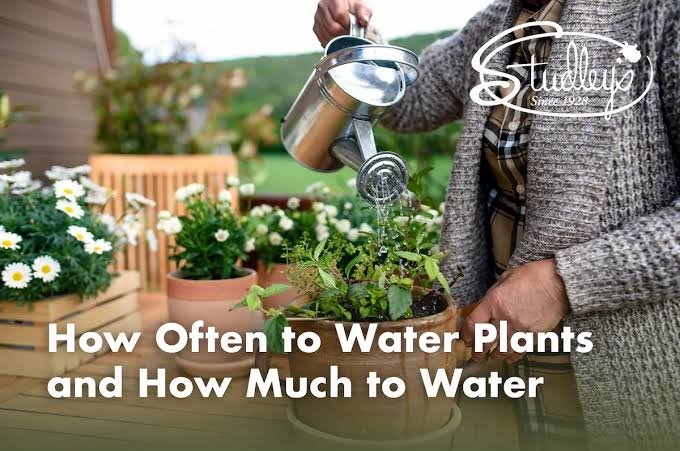
Not only the frequency of irrigation is important, but also the technique that you use. It is very common practice among plant owners to throw some amount of water into the soil, which usually drains off immediately along the inner walls of the pot and does not penetrate the dry root ball. There are two extremely efficient professional methods of watering that you can pick: top-watering and bottom-watering. The first one is more traditional and it implies using a watering can with a thin spout in order to water the whole soil surface evenly until you see water running out of the drainage holes. This method is perfect for flushing the accumulated fertilizer salts and minerals out of the soil. The second method is the ultimate secret weapon for plants with dense root ball and hydrophobic and dried out soil. It implies placing the plant’s nursery pot into a basin with few inches of lukewarm water and keeping there for twenty minutes. The soil will absorb all the necessary amount of water by itself through capillary action and will completely moisturize the roots without getting wet on top. In any case do not forget about using room temperature water and emptying the drainage saucer after fifteen minutes.
Explore this related topic here:
7 Best Indoor Plants for Beginners
9 Easy Vegetables to Grow at Home
How to Keep Plants Healthy Naturally: 9 Proven Tips
Conclusion
Managing the watering of houseplants does not involve adhering to a strict schedule but involves being able to read the natural cues provided by the plants themselves. This is achievable by being aware of how seasonal changes greatly affect them, knowing the difference between the yellow leaves caused by excessive watering and the crispy brown leaves brought about by underwatering, and being responsive to the unique evolutionary requirements of each type. All of this can be done in a manner that will help you avoid any form of guesswork when taking care of your plants. It also helps when using proper methods of delivering water such as using top-watering to flush out salts or bottom-watering for deeply soaking roots. Although it might seem scary to a novice gardener at first due to fears related to root rot or dehydration, paying close attention to the levels of moisture in the soil will soon turn this daily chore into a beneficial and enjoyable one.
The frequency of water supply for the indoor plants is essential to maintain them properly. The universal approach for watering does not exist since each plant requires its own amount of water. Instead of watering the plants simultaneously, one should pay attention to the soil, leaves, pot and other signs related to the condition of the plant.
Learning the signs of the underwatering will allow to identify when the plant needs the water. The dry soil, wilted leaves, and brown spots on the edges of the leaves are common signals for the necessity of watering, though there are other factors which can cause these signs as well. Checking the soil before watering the plant is the easiest way to decide whether this plant needs some water.
In addition, overwatering should be avoided as well. The wet soil creates adverse conditions for the root system of the plant. Using the pots with holes in order to drain the water and letting the soil dry at the required depth is the best option. One should remember about the peculiarities of such types of plants as succulents and cacti which require another water regime comparing to many tropical houseplants.
The seasonal changes should be taken into account as well. The plants require more attention during the warm and bright period and they do not need much water during the cold or dark period. The indoor temperature, humidity, sunlight, the size of the pot and soil type influence on the disappearance of moisture.
Thus, the successful watering depends on the observations and knowledge about particular types of the plants. It is necessary to control the moisture in the soil, learn the requirements of each plant and change the watering procedure if indoor conditions change. It is important not to use the rigid schedule and not to water the plants routinely. The proper watering is the result of regular observations and the plant will become attractive, healthy and strong.